The Complete History of the Shiba Inu

A Treasured Japanese Breed

The Shiba Inu is one of Japan's oldest dog breeds, dating back to 7000 B.C. In 1936, it was recognized as a Natural Monument of Japan.

I. Prehistoric Origins: The Jomon-Ken Lineage and Deep Antiquity (10,000 BCE – 300 BCE)

The Shiba Inu possesses a historical depth that is nearly unparalleled among contemporary dog breeds, tracing its ancestry directly to the primitive canines that accompanied the earliest human inhabitants of the Japanese archipelago.
This foundational status, rooted in the Japanese Neolithic period, provides the primary ethological justification for the breed's subsequent cultural designation as a national treasure. The Shiba Inu is considered a direct descendant of the Jomon-ken, or Jomon dog, the indigenous canine lineage that settled Japan alongside the Jomonjin, or Rope-Pattern People, around 7000 BC.

A. Archaeological Confirmation of Indigenous Canine Presence

The antiquity of the Shiba lineage is confirmed through extensive archaeological investigation. The oldest excavated dog remains date back approximately 10,000 years to the beginning of the early Jomon period. These remains were discovered in the shell layer at the Natsushima Kaizuka site in Kanagawa Prefecture. Subsequent bone discoveries have reinforced the consistency of the primitive canine type across the millennia.

Morphological analysis of the Jomon dog remains demonstrates a striking fidelity to the modern Shiba Inu standard; these dogs were consistently small, measuring between 38 cm and 45 cm in height. Specific craniofacial characteristics of the Jomon dogs further define this primitive type: the skull exhibits a thin face, a straight nose bridge, and a relatively small dent (stop) from the forehead to the snout.

This ancient conformation, characterized by its "fox-like" appearance and small size, provides compelling evidence that the defining physical traits of the Shiba Inu have remained largely stable and unchanged since 10,000 BCE. This prolonged morphological stability signifies that the Shiba Inu is not merely an old breed, but one that experienced minimal external genetic pressure for nearly ten millennia, thus providing the fundamental scientific justification for its official preservation status in the 20th century.

B. Primitive Utility and Functional Selection

The longevity of the Shiba type is intrinsically linked to its utility as a specialized working animal. Analyses of the skeletal remains, including stable isotope ratio analysis, determined that the ancient dogs were primarily carnivorous. Coupled with their small stature, this dietary and physical profile strongly supports the hypothesis that the Jomon-ken was employed as a hunting dog.

These small canines were invaluable to the earliest inhabitants, enabling the pursuit of small game within the rugged Japanese terrain. The breed's ability to survive for thousands of years in the mountainous and rural regions of Japan confirms that functional selection favored hardiness and alertness.

While archaeological evidence from the later Yayoi period (beginning 3rd century BCE) uncovered slightly larger, medium-sized dogs—comparable to the size of the modern Shikoku dog—the small type continuing the Jomon lineage remained prominent and was documented well into the Middle Ages, such as at the Kusado Sengen-cho site in Hiroshima Prefecture. The continued documentation of the small type confirms that it was the enduring indigenous form. Therefore, as the smallest of the six native Nihon Ken (Japanese dogs), the Shiba Inu serves as the closest living genetic representation of the ancestral canine population of Japan.
Table 1: Archaeological and Primitive Lineage Data
Date Location Finding Significance
c. 10,000 BCE (Early Jomon) Natsushima Kaizuka, Kanagawa Pref. Oldest dog remains; small size (38-45cm) Establishes the Shiba's deep antiquity and morphological consistency with the Jomon-ken
Jomon Period General Jomon sites Carnivorous diet confirmed by isotope analysis Confirms the Shiba's primitive utility as a specialized hunting dog
3rd Century BCE (Yayoi Period) Various sites Introduction of larger dog types by new immigrants Marks the first historical challenge to the purity of the Jomon dog lineage
7th Century AD Yamato Court Establishment of Dogkeeper's Office Early organized effort to manage and preserve native breeds, predating NIPPO by over a millennium

II. Etymology, Function, and Early Historical Context

The nomenclature of the Shiba Inu is directly tied to its ancient occupational role, underscoring the breed's identity as a specialized upland hunter.

A. Analysis of the Name: The Brushwood Dog

The breed's full name, Shiba Inu (柴犬), translates literally as "brushwood dog". This name fundamentally reflects the dog's hunting function, as the Shiba was historically utilized to flush birds and small game out of dense shiba (brushwood) thickets and scrub.

Multiple complementary theories exist regarding the meaning of the prefix "Shiba." Beyond the reference to scrubland, the name is also associated with the breed's coat coloration. The popular explanation suggests the name references the fiery red color of the coat, which resembles the reddish-brown hue of autumn brushwood leaves. This intense coloration, often described as red, red sesame, or black and tan, provided exceptional camouflage, indicating that the etymology is intrinsically linked to functional adaptation to the hunting environment.

A third, localized theory posits that Shiba derived from an obsolete dialect in the Nagano region, where it simply meant "small," referencing the dog's size relative to other native hunting dogs. The dual etymological link of "Shiba" to both the hunting location and the coat color confirms that the breed's phenotype was optimized by its environment for its occupation.

B. Specialized Hunting and Temperament

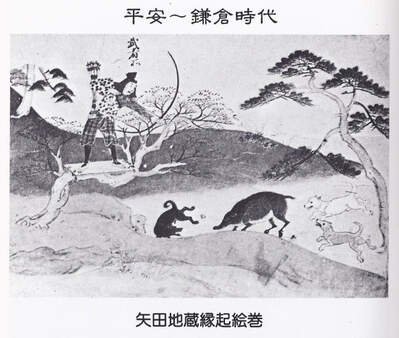
Historically, the Shiba Inu was recognized as the smallest of the six original dog breeds native to Japan. While primarily bred to flush birds and small game, these dogs were occasionally deployed to hunt larger quarry, such as wild boar. This specialized, rugged hunting background necessitated traits of autonomy, alertness, and boldness. The functional selection for these characteristics cemented the Shiba's modern temperament: independent, intensely active, possessing a high prey drive, and yet amiable toward its human companions. 

C. Early External Genetic Influences

The genetic purity of the Jomon-ken faced its first historical challenge with the arrival of new immigrant groups in the 3rd century BCE (the Yayoi period), who brought their own dogs to Japan. Interbreeding between these foreign dogs and the descendants of the Jomon-ken resulted in the canine types known today, which exhibit pointed, erect ears and a characteristic curly or sickle tail carriage.

Recognizing the cultural importance of the indigenous dogs, the Yamato Court established a formal dogkeeper's office in the 7th century AD to manage and help maintain the native breeds. This historical intervention demonstrates that concerns over preserving the native canine lineage are not merely a 20th-century preoccupation, but a recurring theme in Japanese history dating back to periods when the integrity of the native gene pool was first challenged by crossbreeding.

III. The Crisis of Purity and the Dawn of Preservation (1800s – 1930s)

Despite early attempts at preservation, the Shiba Inu faced a severe existential threat during the Meiji Restoration and the subsequent period of industrialization, driven by massive genetic dilution from imported European breeds.

A. Genetic Dilution and the Need for Intervention

Following Japan's re-opening to international trade in the mid-19th century, a significant influx of foreign dog breeds was observed throughout the 1800s. This led to rapid and widespread crossbreeding between domestic Japanese dogs and the newly imported breeds, especially in urban areas. The result was a dramatic decline in the purebred Shiba Inu population; by the early 1900s, fears were mounting that the authentic Japanese dog type might vanish forever due to mixing. Crucially, the hunting dog populations in rural, geographically isolated regions remained comparatively intact and pure, safeguarding the necessary genetic material for future restoration.

B. Establishment of NIPPO and the Preservation Mandate

The genetic crisis spurred organized, formal preservation efforts. In 1928, the Nihon Ken Hozonkai (NIPPO), or the Association for the Preservation of Japanese Dogs, was founded. This organization assumed responsibility for defining and maintaining the breed standards for the native Japanese dogs, including the Akita Inu and the Shiba Inu. NIPPO held its first national show in Tokyo on November 6, 1932.

The activities of NIPPO were significantly amplified by the cultural momentum generated by the simultaneous reverence for the loyal Akita Inu, Hachikō, whose story gained national prominence in 1932. This immense public adoration created a powerful image of the native Japanese dog as an embodiment of national virtues, providing the essential cultural capital required for governmental action.

C. Codification of the Nippo Standard (1934)

In 1934, NIPPO published the first Japanese breed standard for the Shiba Inu, known as the Nippo Standard. This standard was intended as the guideline for future breeding programs based on the intrinsic characteristics of Japanese dogs.

The Nippo Standard defined the required physical conformation but uniquely placed significant emphasis on specific psychological and behavioral qualities, which were prioritized as essential qualities. These intrinsic characteristics were encapsulated in three key terms:

  • KAN-I (強意): Denoting strength of character and dignity. The standard mandated that dogs be lively and bold without exhibiting excessive aggression.
  • RYOUSEI (良性): Describing good nature, loyalty, and amiability toward their owners.
  • SOBUKO (素朴): Referring to simplicity, naturalness, and an unaffected bearing.

IV. Standardization and Designation: The Natural Monument Status

The culmination of preservation efforts was the official recognition of the Shiba Inu by the Japanese government, elevating its status to a protected national heritage item.

A. Official Protection and National Status

Largely due to the rigorous efforts of NIPPO, the Shiba Inu was officially designated as a Japanese Natural Monument (天然記念物, Tennen Kinenbutsu) in December 1936, under the Cultural Properties Act. This designation symbolized the official recognition of the Shiba's profound cultural and natural significance. This status provided governmental protection and established the mandate for conservation societies to ensure the breed's preservation for future generations. The Shiba Inu thus became recognized as a living tradition, carefully maintained within Japanese culture.

B. The Three Foundational Regional Varieties

The modern Shiba Inu recognized today is a composite built from the integration of three historically significant regional varieties that survived in geographically isolated mountainous areas.
Table 2: Regional Lineages of the Shiba Inu
Regional Lineage Area of Origin Key Characteristics Genetic Contribution
Shinshu Shiba Nagano Prefecture Small stature, rounder eyes, dense guard-hairs, solid undercoat, often a sickle tail Contributed density of coat (hardiness) and vital survival numbers post-WWII
Mino Shiba Gifu Prefecture (Minowa Shiba Inu) Refined structure, deep mahogany color (lacking urajiro), rectangular eyes, Sashi-U tail Contributed intense red pigmentation and specific head/body refinement
San'in Shiba Tottori and Shimane Prefectures Larger size, structural robustness, sometimes exhibiting links to the Korean Jindo dog Contributed physical strength and the core of the bold, independent temperament (Kan-i)
The existence of these distinct types highlights the critical role of geographic separation in maintaining genetic variety. For instance, the Mino Shiba was specifically noted for its deep mahogany color devoid of urajiro (the characteristic white ventral markings). Because the modern Shiba Inu standard ultimately requires specific white markings, the final breed standard represents a careful blend where traits from the Shinshu and San'in lines were integrated.

V. The Brink of Extinction and Post-War Restoration (1940s – 1950s)

The preservation achievements of the 1930s were nearly reversed by the global conflicts and subsequent epidemics of the 1940s, leading the Shiba Inu to the cusp of extinction and resulting in a severe genetic bottleneck.

A. The Catastrophic Bottleneck

The period surrounding World War II subjected the Shiba Inu to the toughest environmental stress of its modern history. Widespread urban bombing raids destroyed populations, while food shortages severely limited the ability of owners to maintain their dogs.

However, the most decisive factor in the near-extinction event was the post-war canine distemper epidemic, a highly contagious viral infection that swept through the surviving canine populations. This combination of war, starvation, and disease reduced the purebred population so drastically that the Shiba Inu breed was forced to rely on only three surviving bloodlines for all subsequent breeding.

B. The Restoration Effort

Following the war, dedicated fanciers established intensive breeding programs aimed at recovering the breed. These efforts focused on locating and utilizing the few remaining high-quality Shiba Inus, primarily recovered from the rural, remote areas where the dogs had retained their purity and were somewhat sheltered from the chaos and disease of the population centers.

The survival of the Shinshu line from the mountainous Nagano Prefecture proved disproportionately important in the restoration, as more of this hardy variety survived the epidemics compared to the Mino and San'in types. The success of the post-war program lay in the systematic integration of the Shinshu, Mino, and San'in genetic pools.

VI. Genetic Foundations and Standardization of the Modern Shiba Inu

The success of the breed restoration rests on a specific and well-documented pedigree, where early breeders strategically merged the surviving regional bloodlines.

A. Key Foundational Dogs and the Aka-go Lineage

The consolidation of the modern Shiba Inu was achieved through calculated breeding programs led by NIPPO members, focusing on individuals who best represented the ideal temperament and structure.

The genetic core of the restoration was built upon two dogs from the pre-war period: Ishi-go (born 1930), a red male from the San'in region, and Koro-go (born 1935), a Black and Tan dog from Shikoku. Their mating produced Aka-go Fugaku (アカ号), born in January 1939. Aka-go was destined to be a central sire in the early Showa era restoration, as most Shiba Inu bloodlines around the world today carry his genetic material

B. Establishing the Post-War Standard: The Naka-go Line

To solidify the standard, Aka-go was strategically outcrossed to two separate regional females, ensuring the integration of desirable traits from the surviving lineages:

  • Aka-go was bred to Hana (from Tottori Prefecture) to produce the female Beniko-go Akashisou (紅子号), born in February 1942. Beniko-go was noted for her "feminine elegance, harmony of body and limbs, wise intelligent mind and sharpness".
  • Aka-go was also bred to Meigetsu (from Yamanashi/Shinshu region) to produce the male Akani-go Hatayamaso (アカニ号).

The strategic coupling of these two half-siblings, Akani-go and Beniko-go, resulted in the birth of Naka-go (or Chu-go) in April 1948. Naka-go represented the definitive composite standard of the breed. The success of Naka-go meant that he became the basis for the development of the modern Shiba Inu, leading to the solidification of the breed standard.

VII. Global Trajectory and Contemporary Significance

The post-war restoration ensured the Shiba Inu's survival, allowing it to transition from a regional Japanese hunting dog to a global companion animal of immense popularity.

A. Introduction to the West and Formal Recognition

The Shiba Inu's migration beyond Japan commenced in the mid-20th century. The first documented Shiba Inu in the United States was brought by an American military family returning from Japan in 1954. The breed continued to grow in popularity in the West, eventually achieving official recognition from the American Kennel Club (AKC) in 1992. In Europe, the first registered Shiba may have arrived in Denmark as early as 1969, with organized breeding programs starting in Sweden in the early 1970s.

B. Status as Japan's Premier Companion Breed

In its homeland, the Shiba Inu is widely celebrated and remains the most popular companion dog breed. The breed's modern success in Japan is a direct validation of its primitive structure. The traits necessary for survival in ancient, rugged mountains—small size and hardiness—proved optimal for survival in modern cities.

Several factors contribute to its enduring popularity in contemporary Japan:

  • Adaptability: The breed's compact size makes it exceptionally well-suited for urban environments and apartment living.
  • Low Maintenance: Despite possessing a thick double coat, the Shiba requires relatively minimal grooming due to its self-cleaning habits.
  • Temperament: Shibas form deep connections with their families while maintaining independence and dignity (Kan-i).

VIII. The Shiba Inu and the Digital Age: Cultural Meme and Financial Phenomenon

In a phenomenon unusual for an ancient breed, the Shiba Inu achieved global notoriety through the mechanisms of internet culture.

A. The Viral Sensation of "Doge"

The Shiba Inu's image became a global sensation around 2010 with the creation and viral spread of the "Doge" meme. The meme originated from humorous photos of a specific rescue Shiba named Kabosu, featuring colorful, humorous captions in intentionally broken English.

The meme's charm and decentralized spread across social media bypassed traditional media entirely. This sudden mass exposure made the Shiba's distinct, expressive face recognizable to hundreds of millions worldwide, drastically accelerating its international popularity.

B. Financialization and the Meme Coin Phenomenon

The success of the Doge meme rapidly transitioned the breed's image into the financial sphere, initiating the creation of the cryptocurrency Dogecoin. Dogecoin's unexpected success established a new category of digital assets known as "meme coins".

The Shiba Inu breed itself subsequently inspired another major cryptocurrency, Shiba Inu Coin, which achieved a market capitalization rivaling or even eclipsing Dogecoin. The combined value of these digital assets, relying entirely on the image of the Shiba Inu, reached tens of billions of dollars, demonstrating a profound, accidental economic influence generated by the image of the ancient Japanese dog.

IX. Conclusion: Enduring Legacy and Future Preservation

The history of the Shiba Inu is a narrative of profound continuity interrupted by catastrophic genetic crisis and salvaged by determined cultural commitment. From its archaeological roots as the Jomon-ken 10,000 years ago, the breed has maintained a morphological stability indicative of a primitive lineage.

The preservation efforts of the 20th century, spearheaded by NIPPO, codified not only the physical appearance but also the essential character traits—most notably Kan-i (strength of character and dignity)—leading to the breed's designation as a Japanese Natural Monument in 1936. The subsequent near-extinction during the 1940s necessitated the interbreeding of the three surviving regional lines (Shinshu, Mino, San'in) to secure the modern standard, a process traced through foundational dogs like Aka-go and Naka-go.

Today, the Shiba Inu endures as a powerful symbol: the most popular companion dog in Japan and a global icon of digital culture.
©2026 Shiba Inu Canada. All rights reserved. Website by Adam Harvey Web Design.

Contact Breeder